

The Transition to a Distribution System Operator
The traditional model of energy delivery for electric utilities like United Power has shifted in recent years. For decades, utilities have delivered energy from large power plants to their members — and energy has flowed in one direction. But as more members supplement their energy needs with home energy resources and local microgrids become more viable, energy now flows both ways onto the grid.
Thousands of members across the cooperative’s service territory are installing local generation and storage resources, like rooftop solar and battery storage, or utilizing smart devices, such as thermostats. These technologies generate and store energy and help manage energy efficiently. They also create new opportunities for the co-op to interact with its members and modernize grid operations. United Power has begun transitioning to an emerging operational model, known as a distribution system operator (DSO), to efficiently manage this two-way flow of energy and data between the cooperative and its members.
Operating as a DSO is just a streamlined approach to managing power supply assets and energy resources on the distribution system. By coordinating member-owned resources alongside its own hyperlocal resources, the cooperative can more efficiently manage the delivery of energy across its distribution system in a way that benefits both the cooperative and its members. It is a smarter way of operating the grid that helps ensure it can adapt as technology continues to advance.
This model may be new, but United Power’s mission has not changed. The cooperative remains committed to providing safe and reliable power to its members and being a strong partner in its local communities.
Simply put, this transition to a DSO model will allow United Power to leverage the power of local energy to ensure the cooperative is ready for the future while staying rooted in the communities it serves.
What is a DSO?
More of United Power's members are becoming bilateral consumers, or prosumers, who both generate their own energy through rooftop solar and consume energy from the cooperative's distribution system. This change is shifting the way utilities interact with members and is also opening possibilities to leverage these technologies for the health and resiliency of the grid.
This video explains what a distribution system operator is, what that means for members, and how everyone benefits.
Ways Members Can Participate

Smart Rewards
Internet-connected devices like smart thermostats allow the cooperative to shift demand slightly, reducing energy needs and lowering costs. Smart Rewards is a program that incentivizes members for their participation.
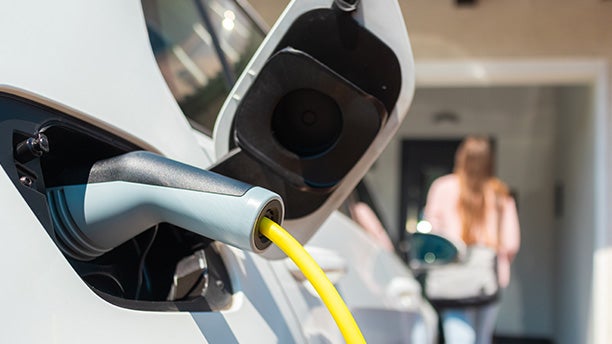
United EV
Electric vehicles are quickly becoming more common. United EV is a member program that helps the cooperative balance EV charging on its distribution system. Members who enroll receive a Level 2 home charger and earn exclusive rebates.
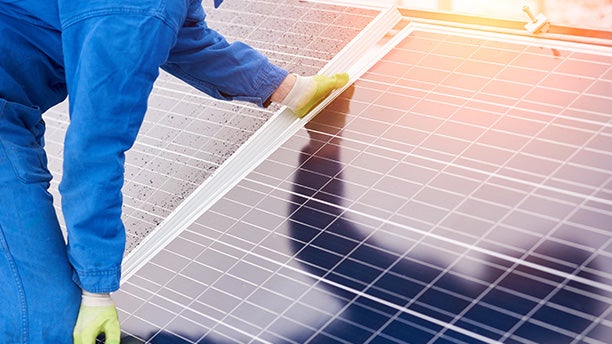
Solar & Net Metering
Solar systems mounted on rooftops provide energy to supplement homes and businesses, but they also push excess energy back onto United Power's system. This creates a two-way flow of energy that can produce benefits for the distribution system when managed effectively.
Yes, United Power will continue serving the members and communities it always has. Becoming a distribution system operator only changes how the cooperative coordinates energy across its system to improve reliability and resiliency for all of the homes and businesses on its lines.
The adoption of rooftop solar, battery storage, electric vehicles, smart home technologies, and more has changed the way members interact with United Power and the grid. The cooperative can leverage member-owned resources to optimize the distribution of energy on the system and improve performance for the benefit of all members.
All members will share in the benefits of United Power transitioning to a distribution system operator (DSO) and should continue to expect the same reliable service from the cooperative. Since most of the work of a DSO happens in the background, members should not notice anything different about their service.
Transitioning to a distribution system operator will not cause an increase on billing statements. However, members who choose to participate in available programs may receive incentives, such as bill credits and rebates.
New equipment is not necessary for United Power's transition to a distribution system operator, unless you want to participate in one of the cooperative's member programs.
- Smart Rewards requires a smart thermostat that integrates with the cooperative's distributed energy resource management system (DERMS). Many members already own a qualifying smart thermostat. Click here for more information.
- United EV is a program that provides at-home charging options and rates for members who own electric vehicles. Participants will receive a Level 2 charging station and rebates on home wiring. Learn more about United EV here.
Check back soon. The cooperative is regularly introducing new programs to help you save money and energy.